The Stars That Don’t Look Back
The Stars That Don't Look Back explores the intimate and private memories shared by three generations of women living in Taiwan. Integrating family archival photographs, historical events, and Taiwanese literature, this project serves as an invitation to understand how women navigate through difficulties and trauma during a time of colonial chaos and terror.
Like the root of the tree growing into the soil, the spider’s web staying strong after the rain, the eye centring calmly in the storm, Chen encourages viewers to search for a glimpse of inner peace in the safety net woven by women throughout history and memory.

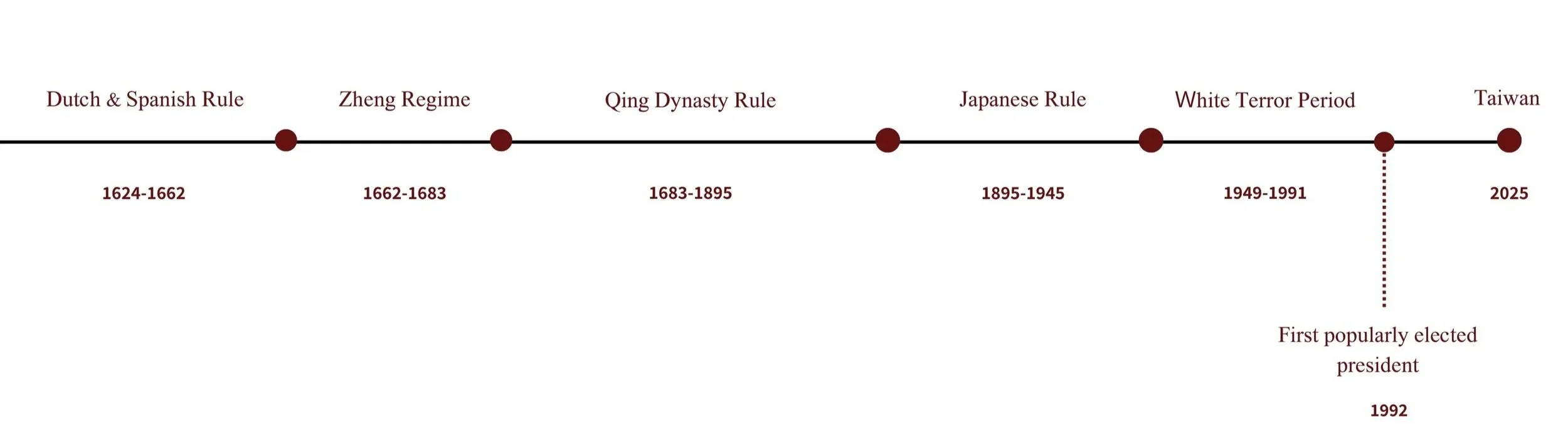
Timeline
Located in the western Pacific Ocean, Taiwan, being the largest island between Japan and the Philippines, is geographically valuable for both economic and political reasons. Since the early 1600s, Taiwan has lived through six colonial regimes.
Narrating from my personal perspective, this project will gradually introduce the major colonial events in Taiwanese history, mainly focusing on the last two colonial periods: the Japanese Rule (1895–1945) and the White Terror period (1949–1991). Then, it will explore women’s identity and representation in poems, articles, and hair-ban history during the Japanese Rule. Lastly, we will dive into the intimate archival family photographs, exploring women’s psychological monologue hidden in everyday life moments.
Japanese Rule(1985-1945)
Following the defeat in the Sino-Japanese War in 1894, the Qing government signed the Treaty of Shimonoseki (1895), containing a provision that ceded Taiwan and the Penghu Islands to Japan. The Japanese Rule lasted 50 years, leaving a lasting impact on Taiwanese culture and ideology in society long after 130 years of their occupation to this day.


The Acacia Tree
Fagge Dupan
The acacia tree, a tree that blooms,
Elegant yet splendid, opening its tiny yellow buds.
The acacia tree, with its lovely blossoms,
Though time and again I long to draw you into my thoughts,
You seem unaware,
Casting your shadow down by the pond, trembling in your branches,
Letting the wind scatter your small, unshining yellow flowers.
Running along the seaside path,
Just past the white lighthouse ceaselessly washed by waves,
I come close to the green mountains,
And the thick groves of acacia trees on the island!
Perhaps my descendants too will be enchanted by you—
As today, when I gaze at you again and again.
For I too
Was born, on this island,
A woman-tree.
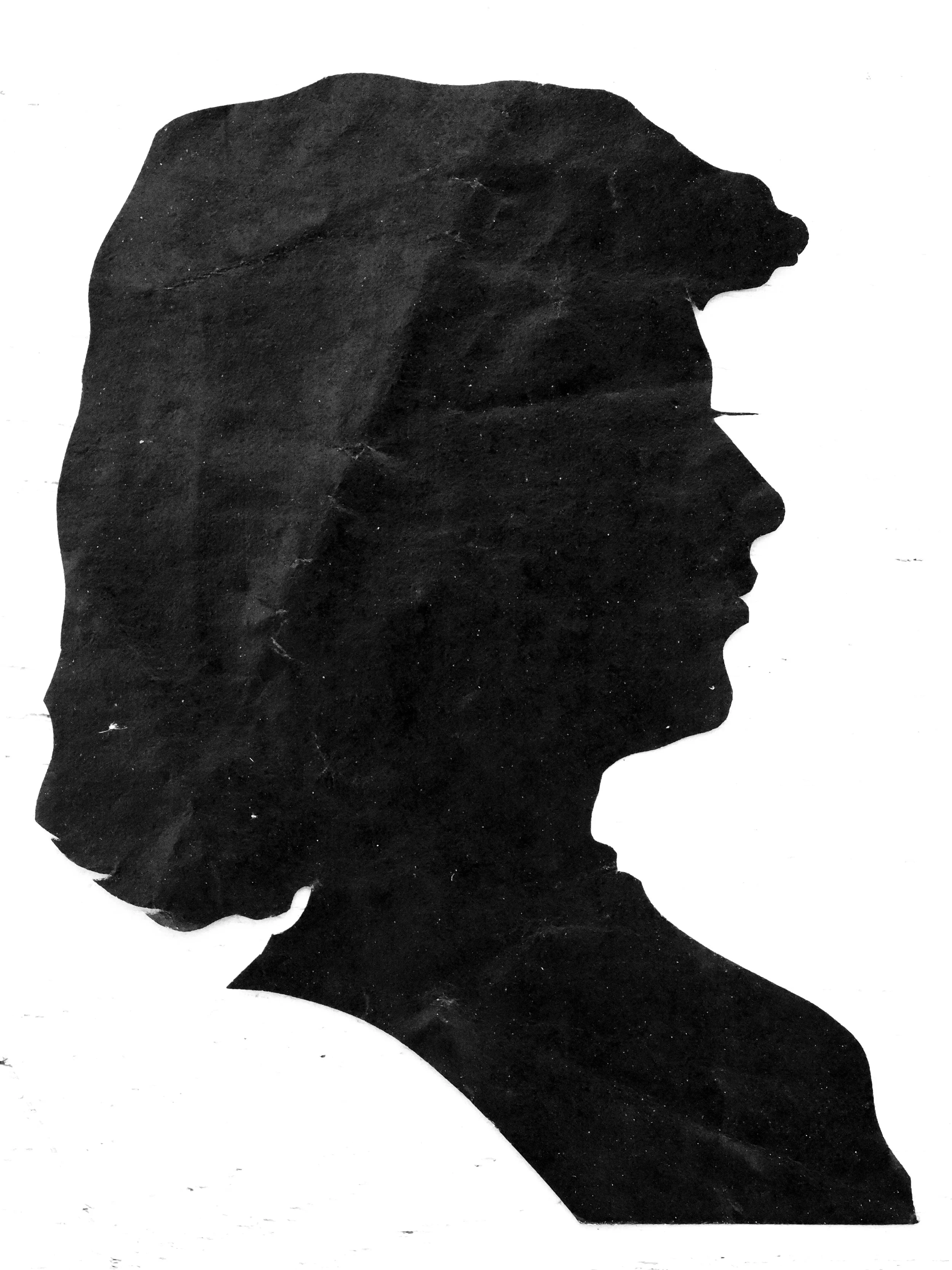
Fagge Dupan is a female Taiwanese poet born in 1927. Despite growing up in the Japanese education system with the only aim of nurturing humble and virtuous women to serve their husband and children, Fagge Dupan’s poems were progressive, challenging traditional women’s status and love life.
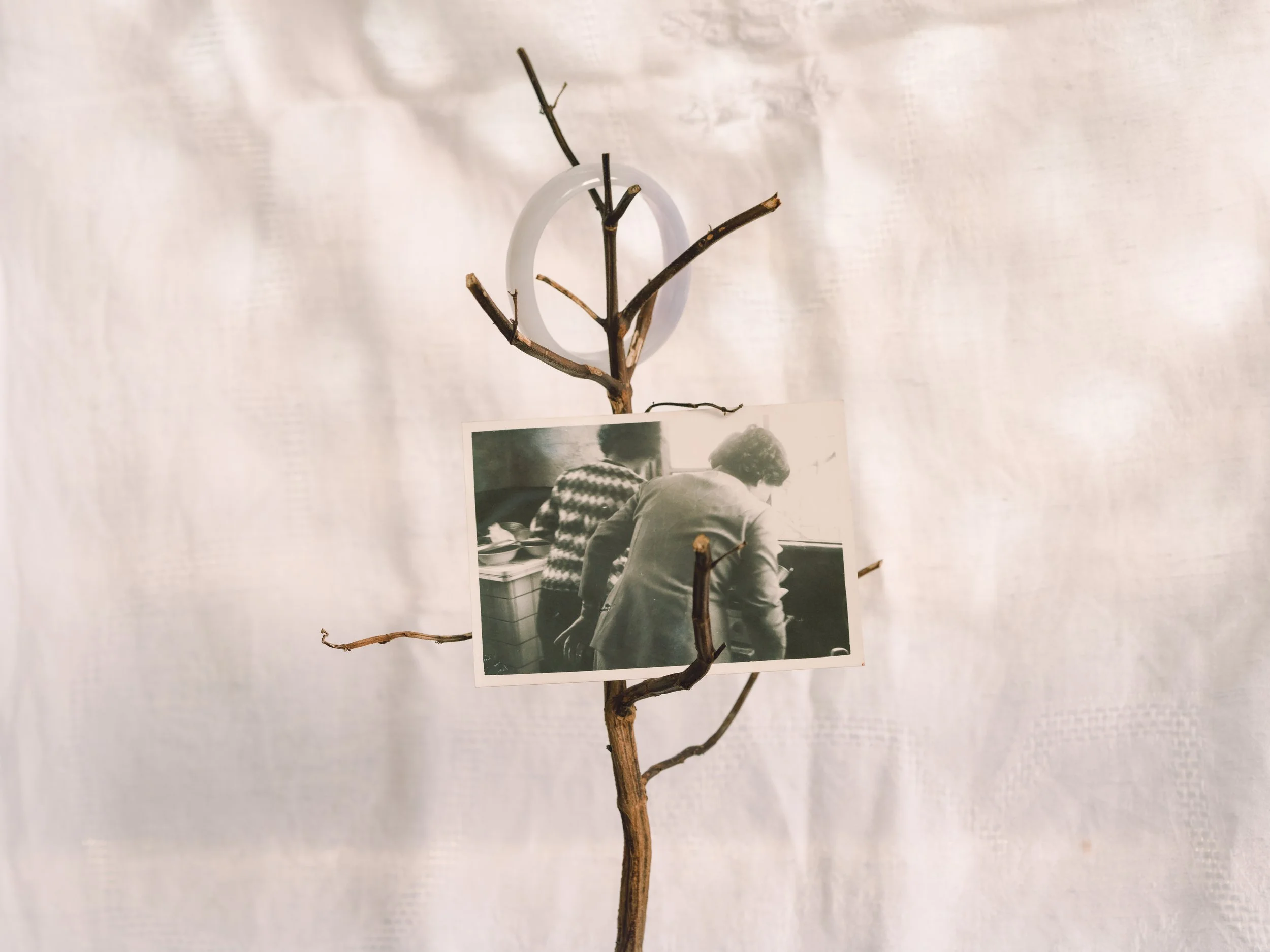
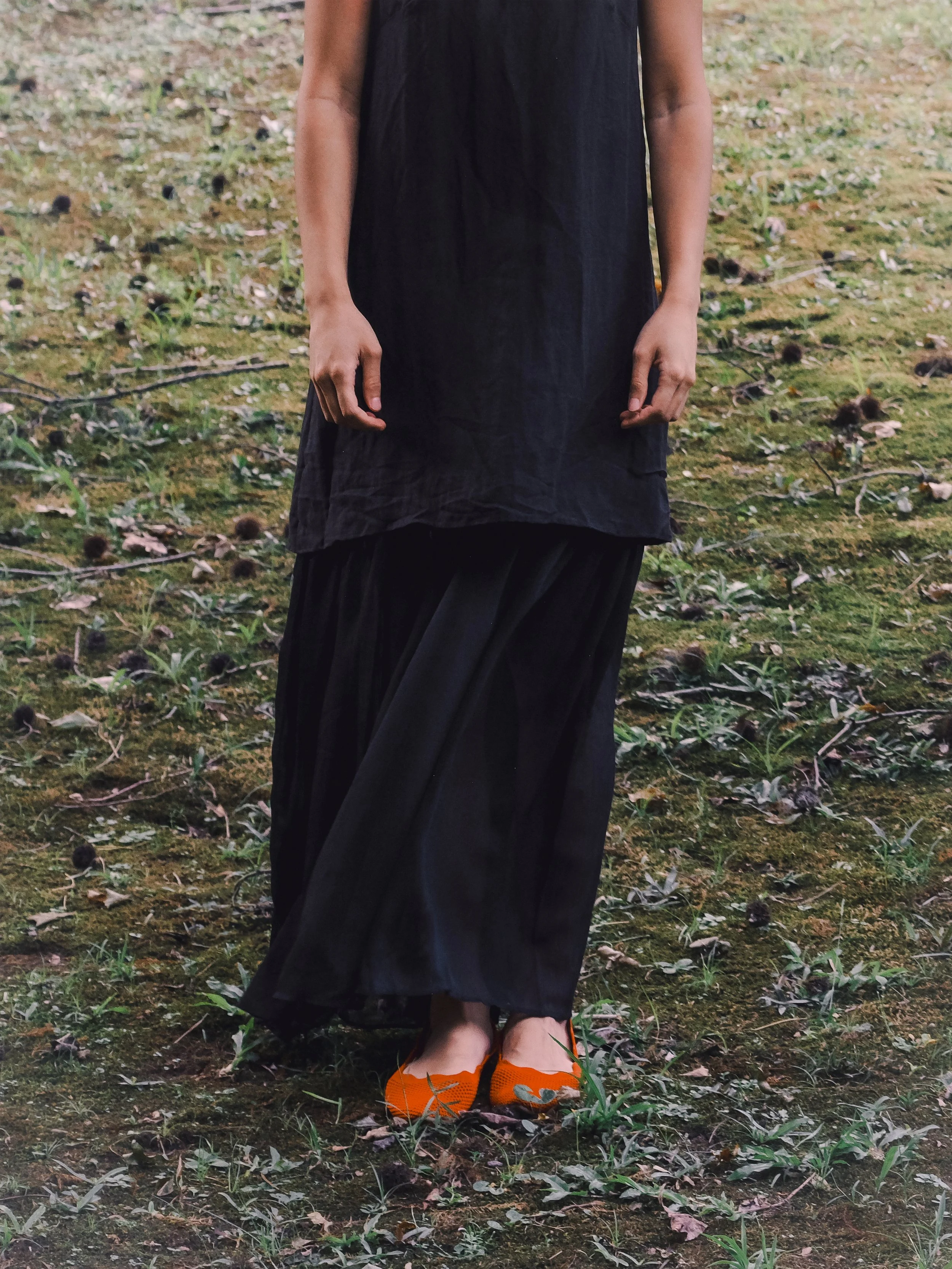
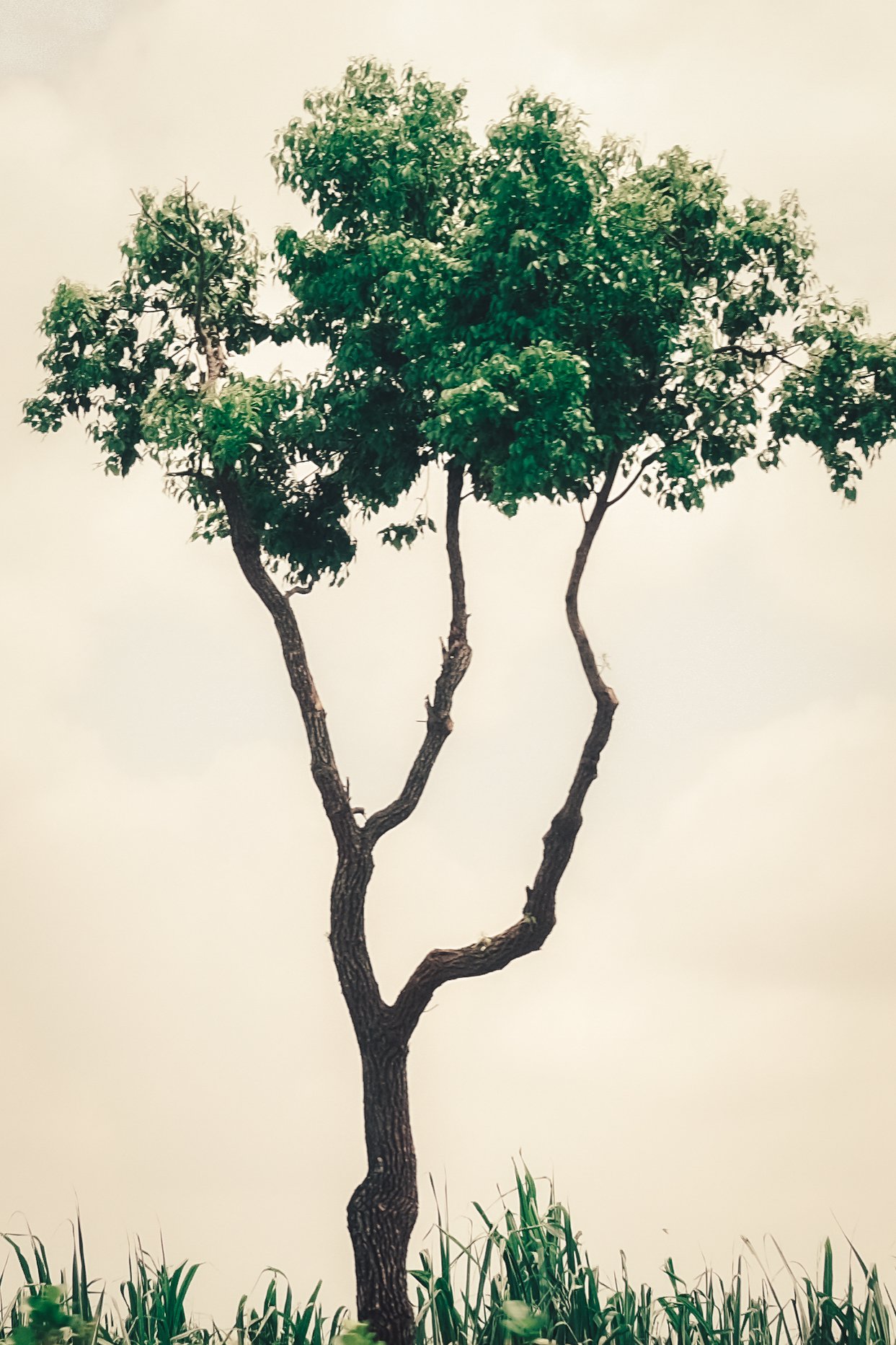
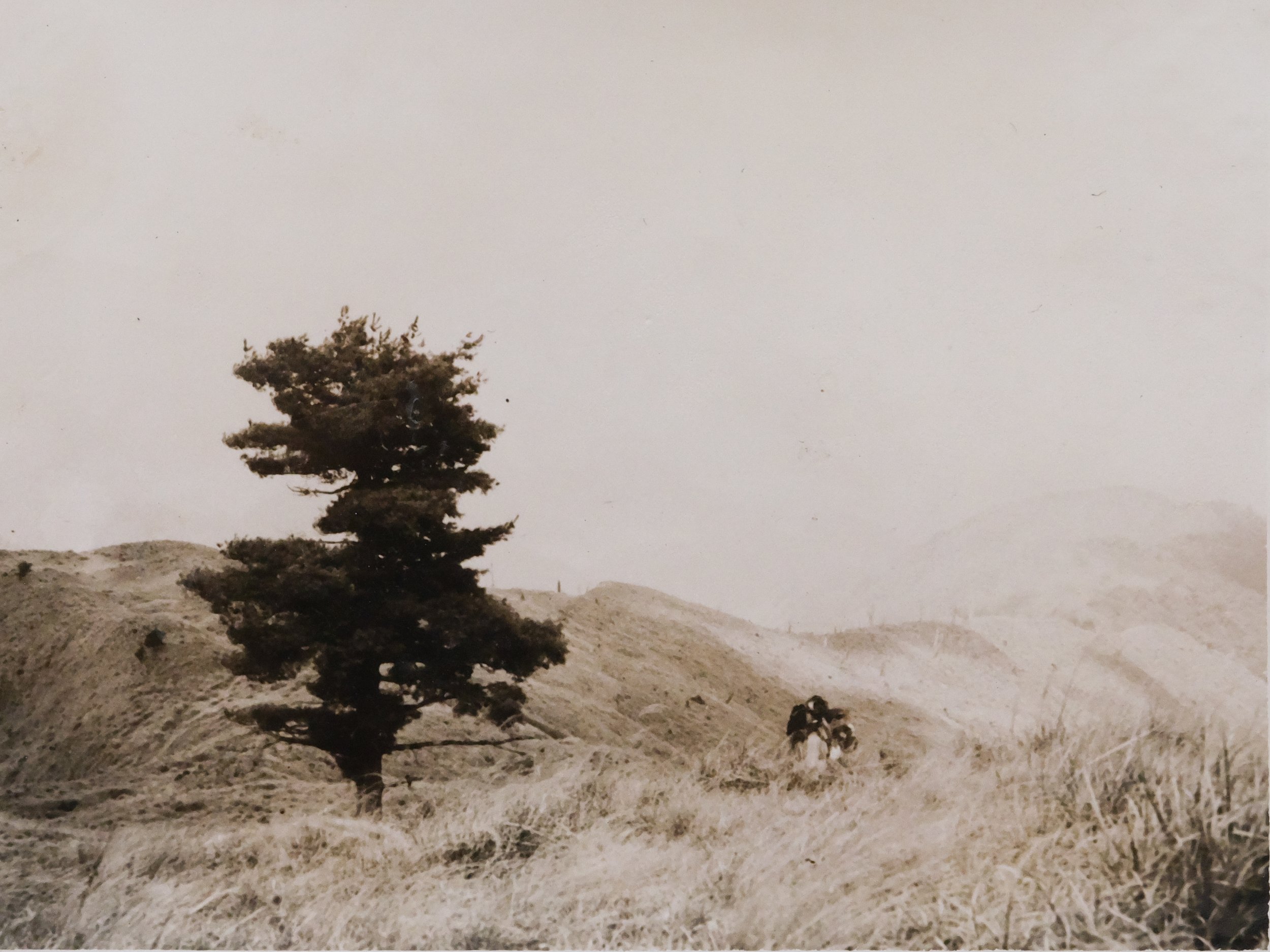
In the last paragraph of The Acacia Tree: “For I too, was born, on this island, a woman-tree.” Where most poems compared women to fragile flowers, Dupan imagined women as trees—rooted in soil, standing firmly on the island she called home. Inspired by Fagge Dupan and her poem, I created a series of images with a mix of portraits and family archival photographs. Like the tree growing deep and holding the soil together, each woman is essential not only in the household or in society, but most importantly, to grow freely on this beloved island.
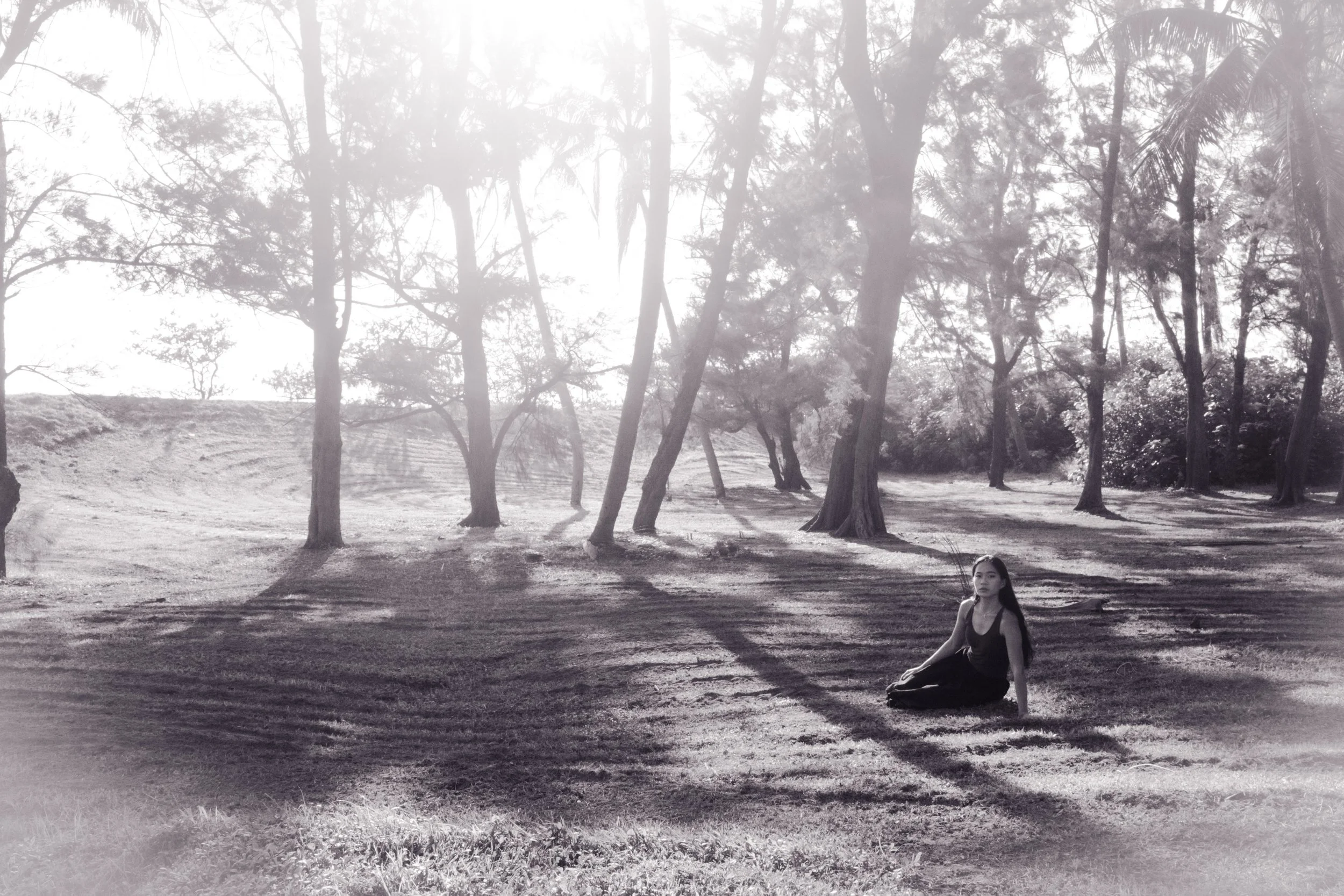
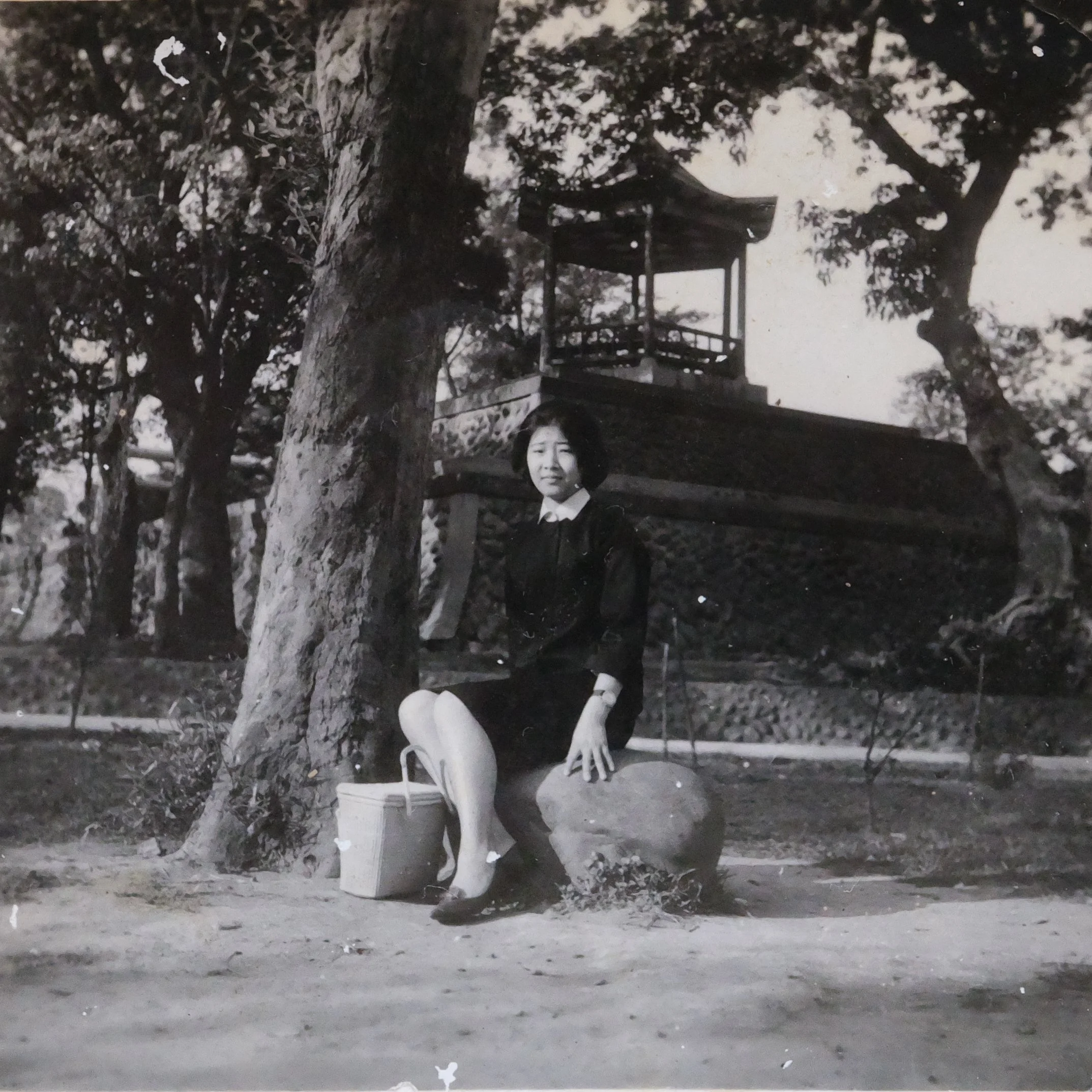
Contrary to how Dupan portrays women from an understanding and reflection of herself, I was fascinated by how male artists depict women under the same cultural background. The connection between women and spiders has drawn my attention in works such as the short story “Spider” (1935, Wu Yusan) and the comic Spider Web (1929, Kunishima Suiba). Alluding to negative qualities in both pieces—manipulative, controlling, calculating, and even being captive inside their own web (household)—the male narrative opened up a dark and one-dimensional representation of womanhood in the creative world.
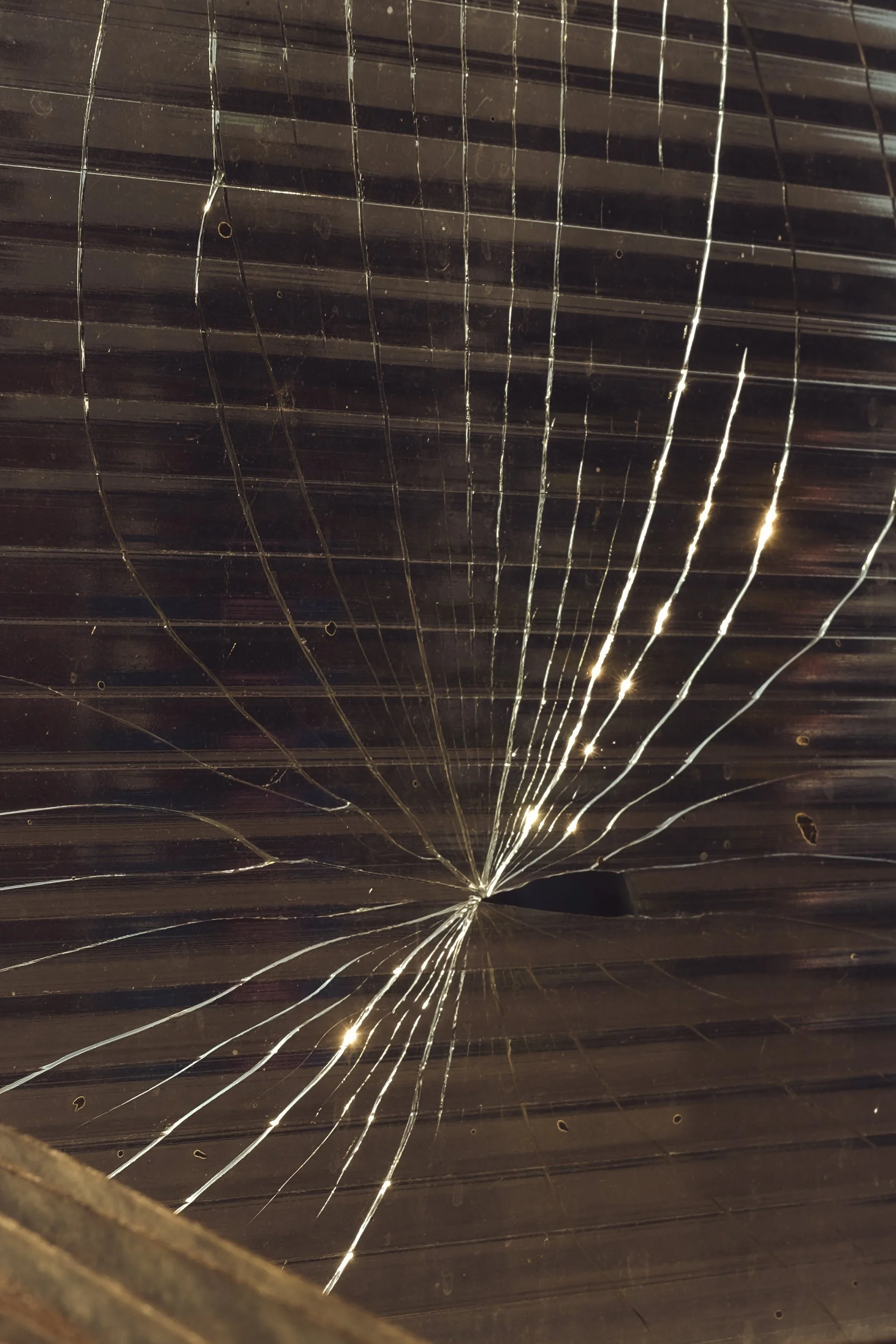

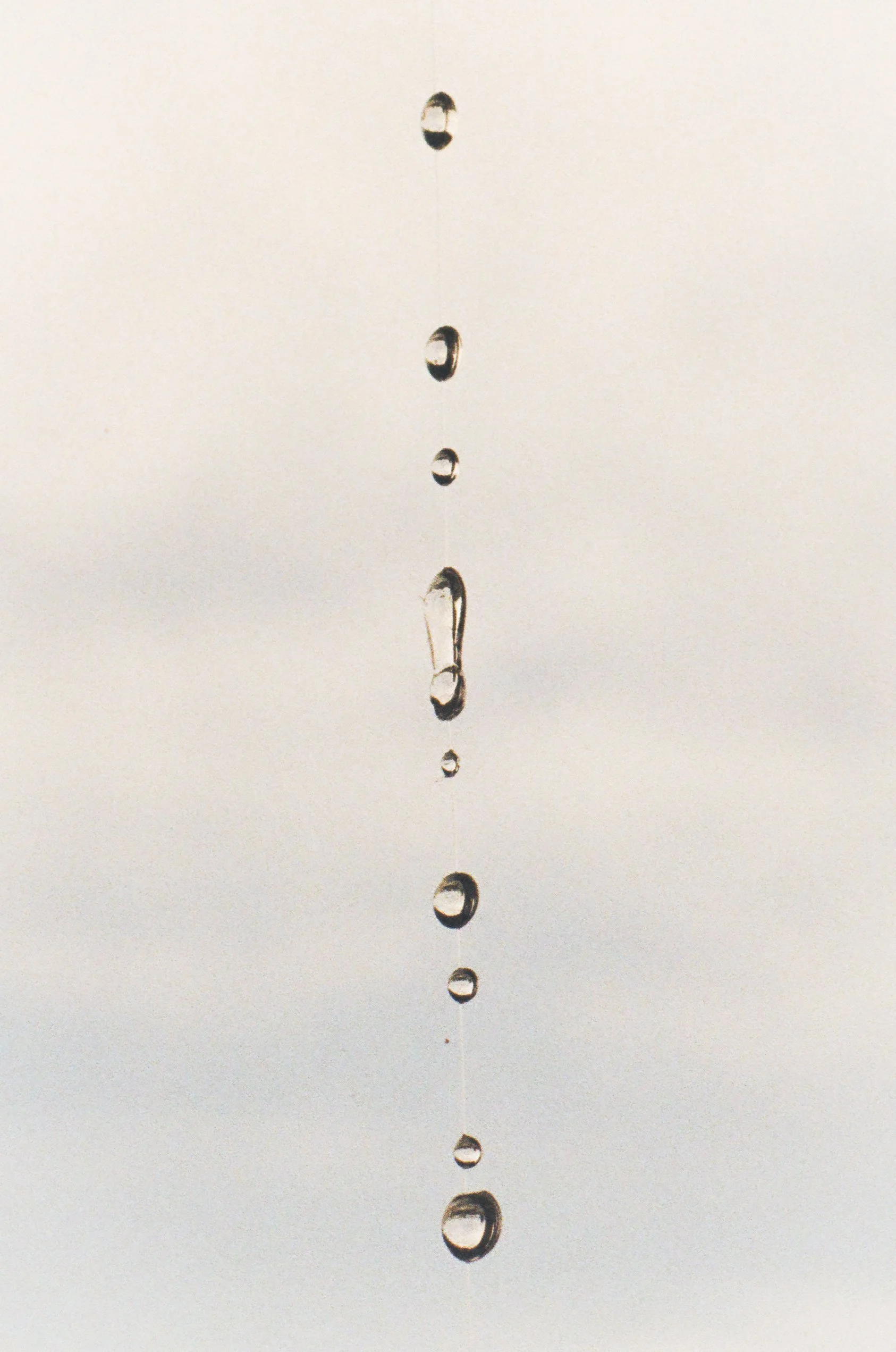
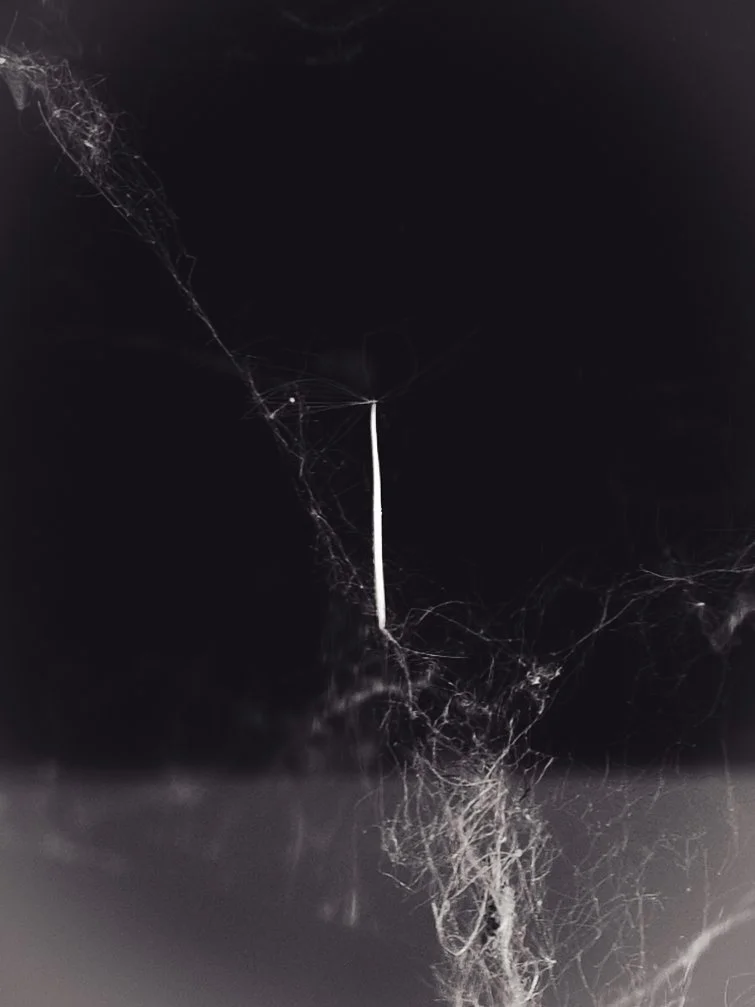
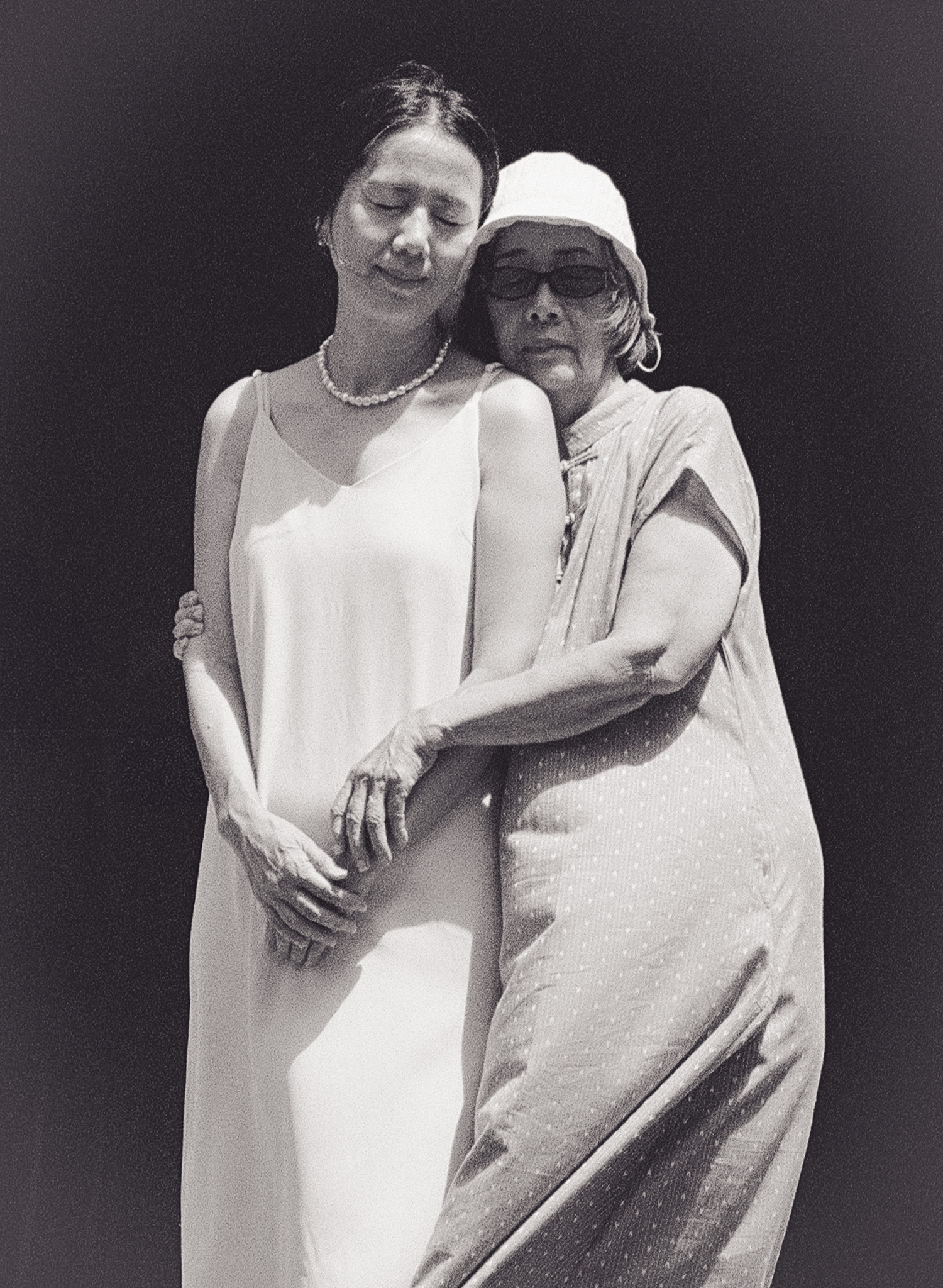
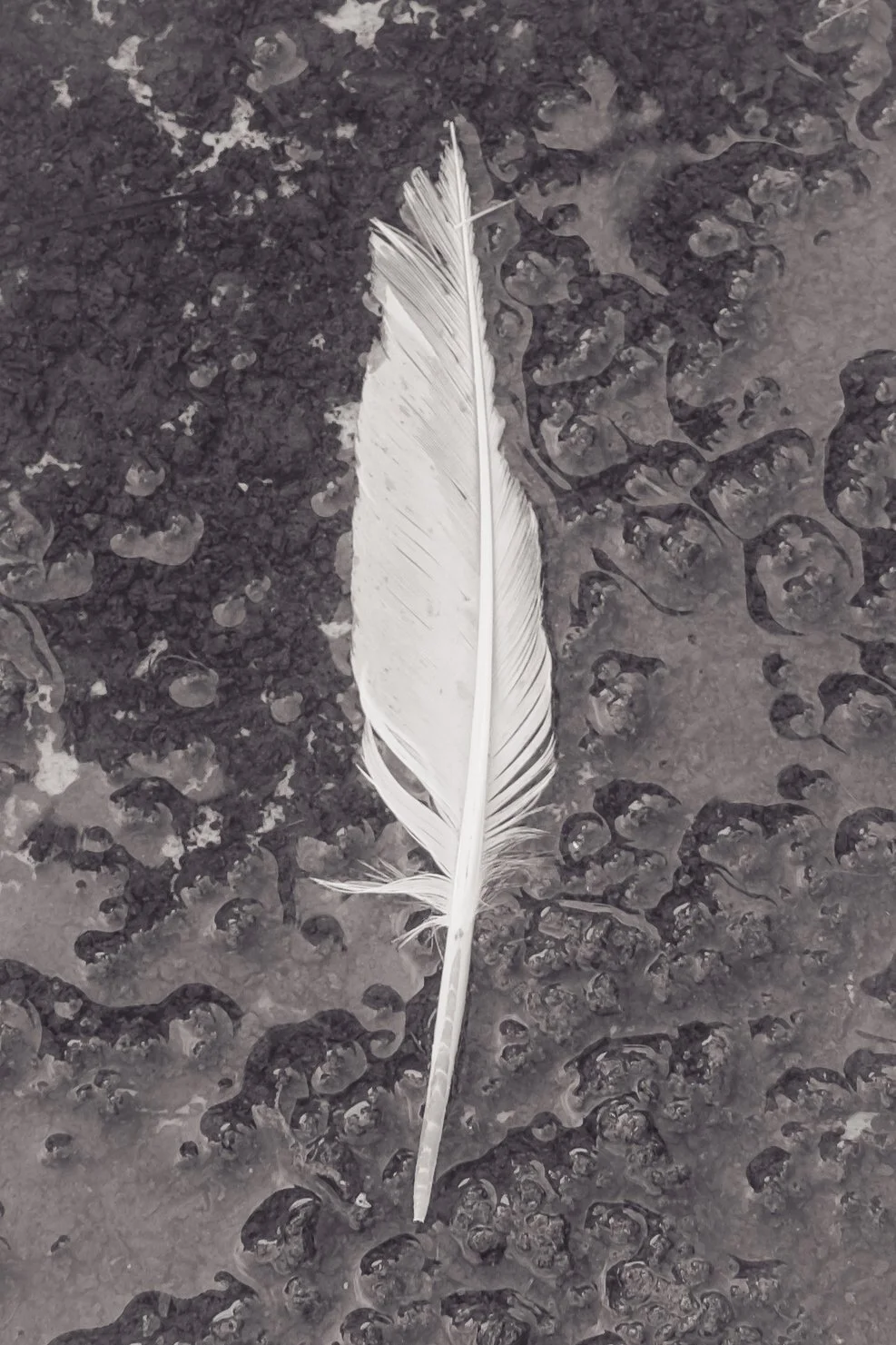

As a subtle yet striking act of rebellion, I explored the in-between worlds: fragile yet sturdy, emotional yet powerful, individual yet collective. Each strand of the spider’s web represents a woman’s devotion; by weaving these threads into a whole, the web remains steadfast after strong winds and challenges.
White Terror Period (1949-1991)
After Japan's surrender in the Second World War in 1945, the Republic of China (ROC), led by Chiang Kai-shek, took over Taiwan. Two years later, the 228 incident broke out as a result of the Kuomintang’s (KMT) failed administration.
In 1949, after its defeat by the Chinese Communist Party (CCP) led by Mao Zedong in the Chinese Civil War, the KMT government relocated to Taiwan, while the CCP established the People’s Republic of China (PRC). In the same year, the government promulgated martial law, opening up a dark chapter of political suppression that lasted for more than 40 years in Taiwanese history.
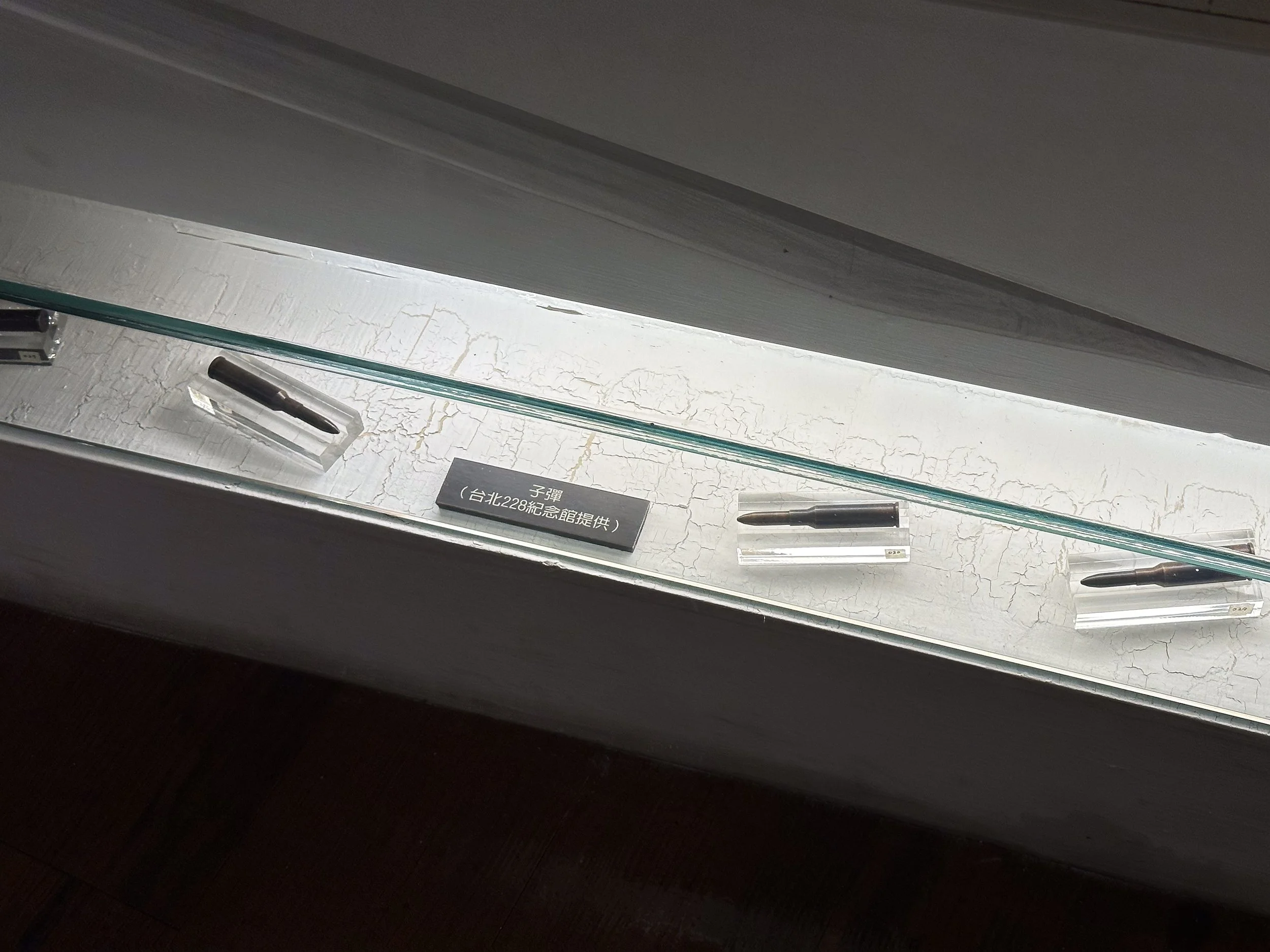
The 228 Incident (1947)
The 228 Incident was the most tragic massacre in Taiwanese history during the White Terror; over 200,000 bullets were fired at civilians by the KMT–led Nationalist government. Most of the casualties were men aged 15 to 64, making many women “political widows” at that time.
The pain of men in these violent histories has been recorded in memorials and museums, but what I was curious about is: what happens to the women after losing their father, partner, and son in the same traumatic events? They were left out of the official papers and documents, always being portrayed by a third person rather than being the main character. Why are their stories and sacrifices insignificant, like the bullet shells from the 228 Incident—tucked away on the bottom shelf of a memorial, quiet and unnoticed?